Connections Between Regulatory Bodies and Transaction Security in App-Based Jackpot Games
Written by Bianca Vogel · Aug 22, 2026
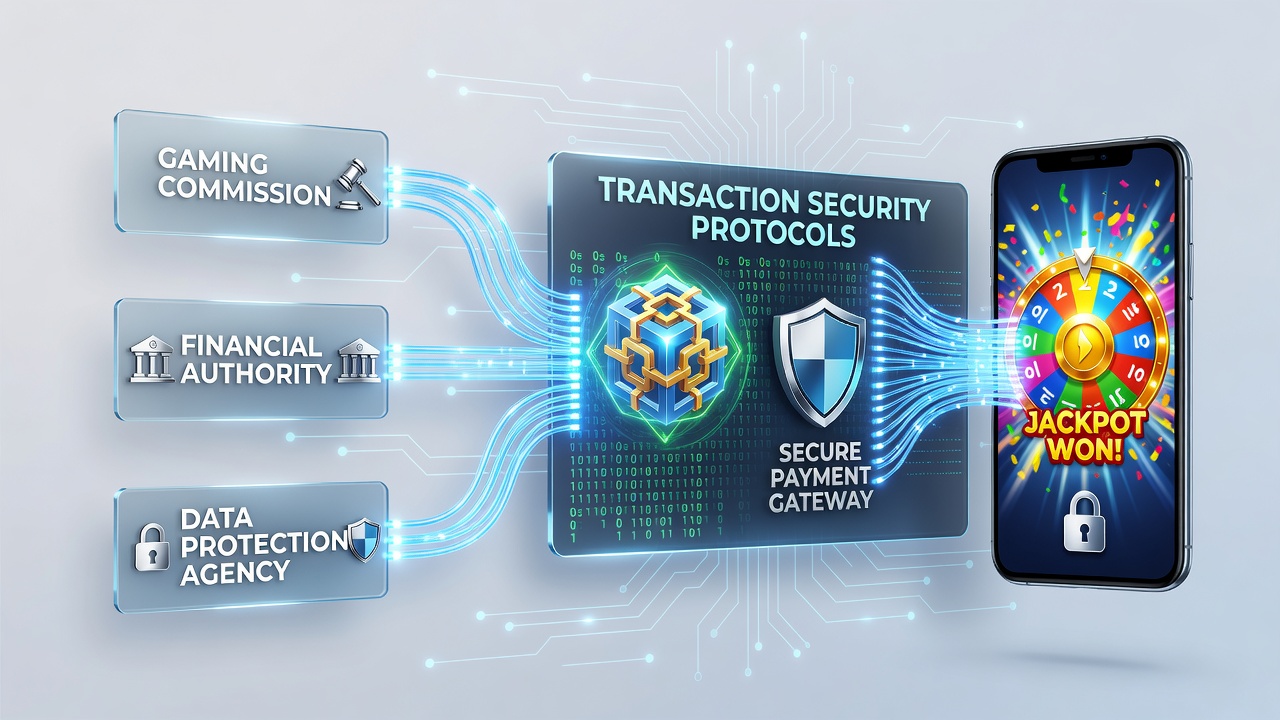
Connections Between Regulatory Bodies and Transaction Security in App-Based Jackpot Games
Regulatory bodies maintain direct oversight of transaction security protocols in app-based jackpot games through licensing requirements and ongoing compliance checks that address encryption standards, payment processing integrity, and fraud detection mechanisms. These connections shape how operators implement secure systems for deposits, withdrawals, and jackpot payouts across mobile platforms. Data from multiple jurisdictions shows that licensed operators must integrate specific security features to retain approval, while non-compliance leads to license revocation or operational restrictions.
Regulatory Frameworks Governing Mobile Transactions
Agencies such as the New Jersey Division of Gaming Enforcement require app-based jackpot platforms to use certified payment gateways that meet defined encryption levels and real-time monitoring standards before any game goes live. Operators submit detailed reports on transaction flows, and regulators conduct audits to verify that funds move through segregated accounts protected against unauthorized access. In parallel the Malta Gaming Authority enforces similar rules that tie license renewal to annual security assessments covering both player data and jackpot pool integrity.
Canadian provincial regulators apply comparable standards where transaction logs must remain accessible for review, and any detected anomaly triggers mandatory reporting within specified timeframes. These requirements create a documented link between regulatory approval and the technical safeguards that prevent tampering with jackpot calculations or payment records. Research from academic studies on digital gambling systems indicates that jurisdictions with stricter pre-launch security certifications experience fewer reported incidents of transaction-related disputes.
Security Technologies Mandated by Oversight Agencies
Regulators commonly specify the use of end-to-end encryption, tokenization of payment credentials, and multi-factor authentication for app-based jackpot accounts. Payment processors handling these games must demonstrate compliance with PCI DSS standards alongside jurisdiction-specific gambling rules, creating layered protection that covers both financial data and game outcome verification. Observers note that such mandates reduce opportunities for interception during jackpot contributions or prize distributions.
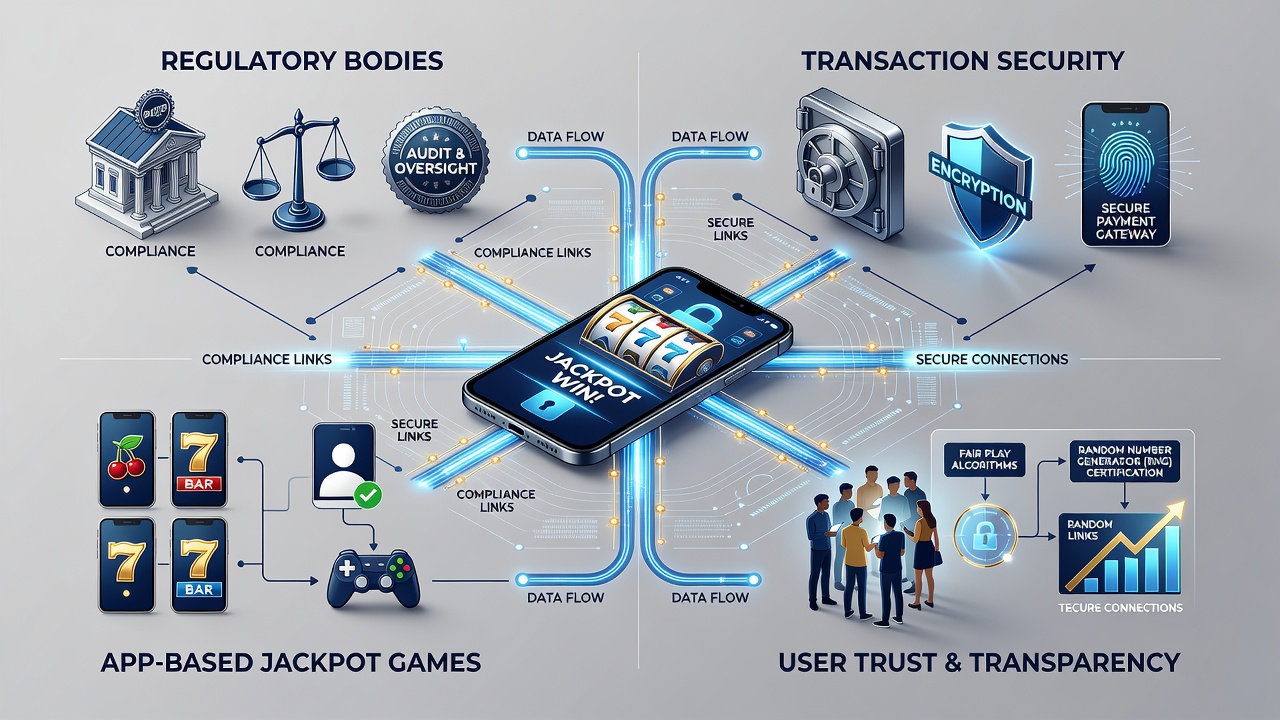
Blockchain-based audit trails appear in some frameworks where regulators accept immutable records of jackpot seed values and player contributions as supplementary evidence of fairness. In August 2026 several licensing bodies updated guidance to include testing protocols for AI-driven fraud detection tools that scan transaction patterns in real time. Operators who adopt these tools gain streamlined compliance pathways while maintaining the same audit frequency applied to traditional systems.
Case Examples of Regulatory and Security Integration
One documented instance involved a European operator whose app-based jackpot platform underwent mandatory remediation after regulators identified weak session encryption that allowed potential interception during high-value withdrawals. The licensing body required implementation of hardware security modules and third-party penetration testing before operations resumed. Similar actions have occurred in Australian markets where state authorities linked continued licensing to upgrades in real-time transaction monitoring dashboards shared directly with oversight staff.
Industry reports from the European Gaming and Betting Association highlight that operators maintaining active dialogue with regulators during security upgrades encounter fewer enforcement actions. Data shows that platforms incorporating regulator-approved security updates ahead of deadlines achieve higher compliance scores and retain player trust metrics at stable levels across reporting periods.
Future Developments in Oversight and Technology
Emerging standards point toward greater interoperability between regulatory databases and operator security systems, allowing automated verification of transaction certificates. Research institutions continue to examine how quantum-resistant encryption may become part of future licensing criteria as computational threats evolve. Regulators in multiple regions have signaled interest in collaborative testing environments where new security features receive pre-approval before widespread deployment in app-based jackpot titles.
Conclusion
Regulatory bodies establish the technical baselines that operators must meet to secure transactions in app-based jackpot games, and these requirements directly influence the encryption, monitoring, and audit practices deployed on mobile platforms. Ongoing collaboration between oversight agencies and technology providers produces updated standards that address emerging risks while preserving operational continuity for licensed operators. Data from various jurisdictions confirms that these connections contribute to measurable reductions in transaction disputes and unauthorized access events across the sector.