How Regulatory Approvals Shape Payment Flexibility in Progressive Jackpot Mobile Applications
Written by Henrik Bennett · Aug 30, 2026
How Regulatory Approvals Shape Payment Flexibility in Progressive Jackpot Mobile Applications
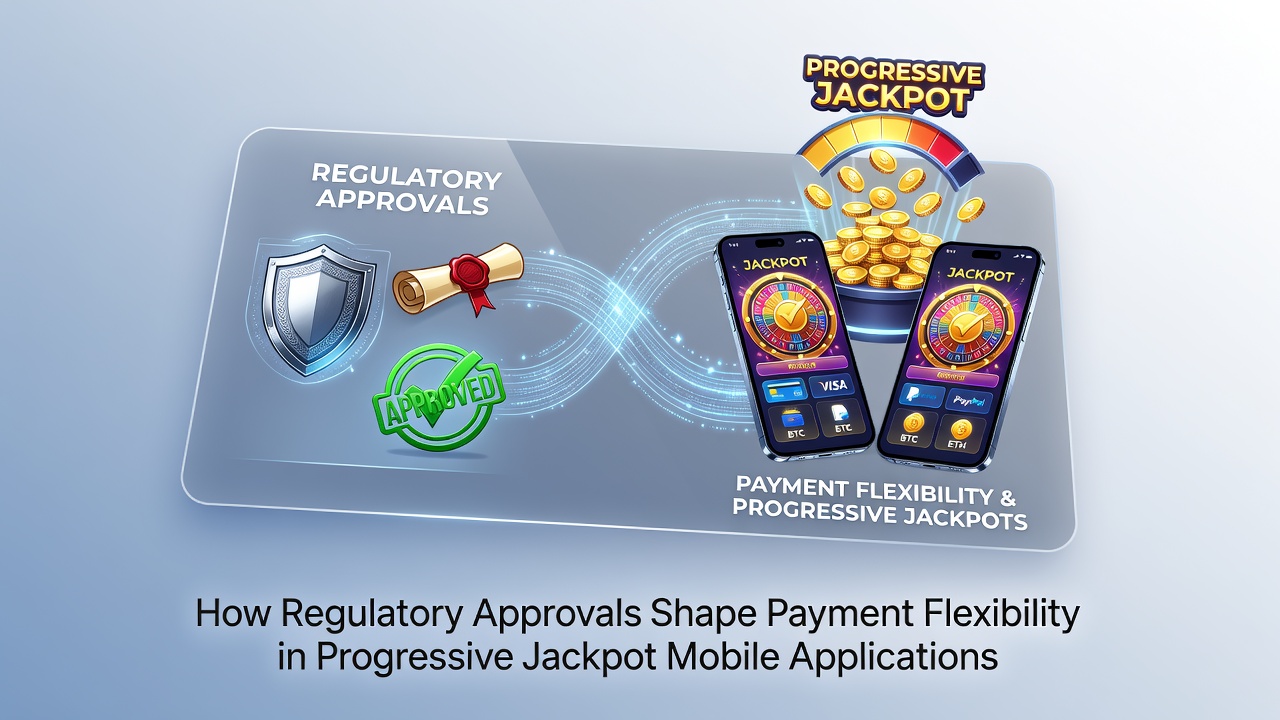
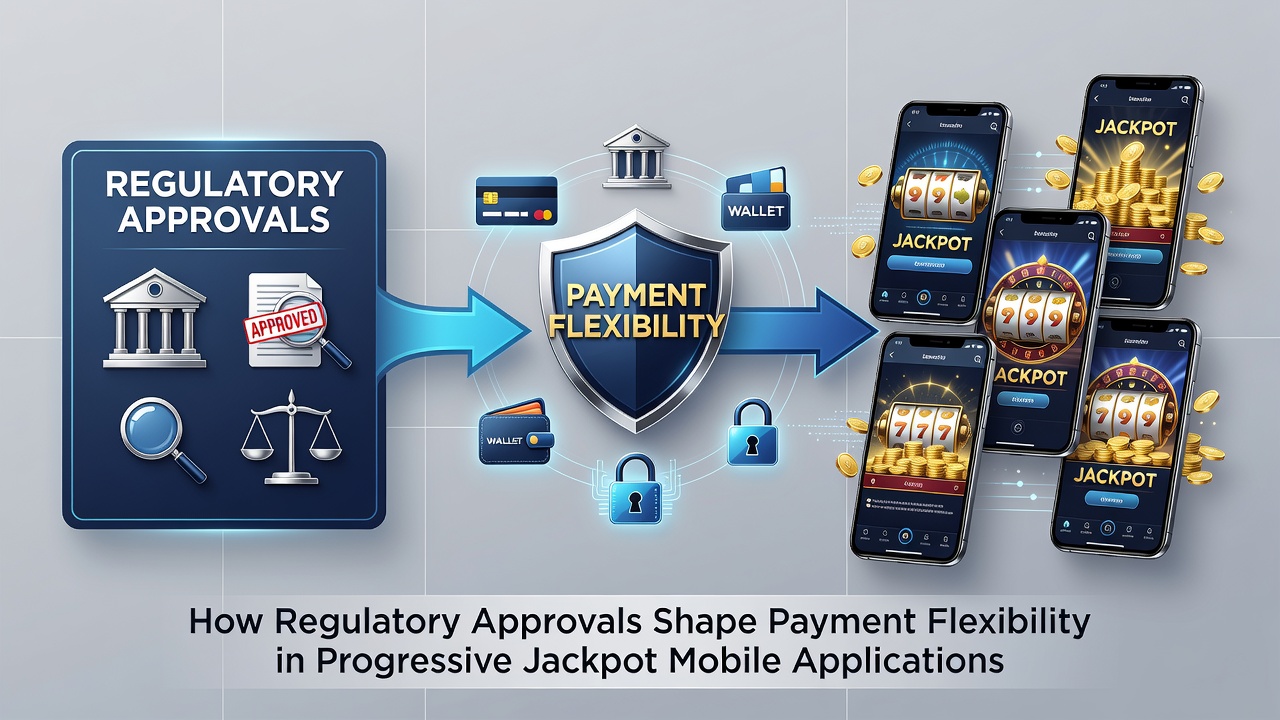
Regulatory approvals determine which payment processors mobile developers can integrate into progressive jackpot applications, and these decisions directly control deposit speeds, withdrawal limits, and supported currencies across different markets. Bodies such as the Malta Gaming Authority and the New Jersey Division of Gaming Enforcement review each provider's security protocols, financial stability, and compliance history before granting permission for use in apps that pool player contributions into growing jackpots.
Once a regulator clears a payment method the developer gains the ability to offer instant bank transfers or specific e-wallets that meet jurisdictional standards, yet any unapproved option remains unavailable regardless of consumer demand. This process creates distinct flexibility levels because approvals in one region rarely transfer automatically to another, forcing operators to maintain separate configurations for users in the European Union versus those in North American states.
Approval Processes and Their Direct Effects on Transaction Options
Developers submit detailed documentation outlining encryption standards, anti-money laundering procedures, and audit trails for each proposed payment channel, after which regulators conduct technical evaluations that can span several months. Data from industry reports indicate that applications incorporating multiple payment types face longer review cycles because each additional processor requires independent verification of its integration with the progressive jackpot pool management system.
Approved methods often include local bank transfers and regulated digital wallets that support real-time balance updates essential for tracking contributions to shared jackpots, whereas emerging options such as certain cryptocurrencies receive approval only after demonstrating equivalent consumer protections. Observers note that jurisdictions with streamlined digital licensing, including parts of Canada under the Alcohol and Gaming Commission of Ontario, have cleared a broader range of processors compared with markets that maintain stricter pre-approval lists.
Regional Variations in Payment Flexibility
European markets cleared under Malta Gaming Authority guidelines tend to authorize cross-border e-wallet services that allow seamless currency conversion for jackpot contributions, while Australian state regulators emphasize local banking rails that limit options to domestically licensed institutions. These differences mean a single mobile application may present five or six payment choices to users in one country and only two or three in another, directly affecting how quickly players can fund accounts and participate in accumulating jackpots.
Research indicates that approval timelines influence seasonal updates, with some operators aligning new payment integrations around regulatory calendars rather than user requests. As of August 2026 several North American authorities plan to introduce unified technical standards for mobile payment verification, which could expand the number of approved processors available in those regions without requiring separate state-by-state reviews.
Impact on Progressive Jackpot Mechanics
Payment flexibility affects not only user convenience but also the technical architecture of progressive systems because each approved method must transmit contribution data to central servers within strict timeframes to maintain jackpot integrity. Regulators require that every deposit channel undergo testing to confirm it cannot bypass contribution thresholds or introduce latency that disrupts prize calculations shared across thousands of simultaneous players.
Those who have studied integration patterns report that applications restricted to fewer payment options often experience slower jackpot growth rates in markets where users prefer unapproved alternatives, leading operators to prioritize regulatory submissions for high-demand processors. External links such as those maintained by the Alcohol and Gaming Commission of Ontario and reports from the European Gaming and Betting Association document how approval decisions correlate with transaction volume increases in approved channels.
Future Developments and Compliance Requirements
Upcoming regulatory frameworks scheduled for rollout in late 2026 emphasize interoperability standards that would allow approved payment methods from one jurisdiction to receive expedited recognition in another, potentially increasing flexibility without compromising security audits. Compliance teams must still demonstrate that any new processor maintains audit logs compatible with existing jackpot tracking software, a requirement that adds layers of technical validation even under streamlined approval pathways.
Case examples from developers who expanded into additional regions show that securing multiple regulatory clearances simultaneously reduces the time between payment option launches, enabling more consistent user experiences across borders. Data shows that markets with coordinated approval processes have recorded higher average transaction frequencies in progressive jackpot applications compared with those operating under fragmented rules.
Conclusion
Regulatory approvals serve as gatekeepers that define the range of payment methods available in progressive jackpot mobile applications, shaping both operational capabilities and user participation patterns across global markets. The interplay between approval timelines, technical requirements, and regional policies continues to determine how flexibly these systems can adapt to evolving payment preferences while preserving the integrity of shared prize pools.